Article
Uncertainty calls for confidence

Riikka Uimonen
Investment Director, Reaktor

Uncertainty is a complex concept, and research shows it holds several definitions. The core issue is the distinction between what we know and what we don't. Fundamentally, what can be known versus what remains truly unknown. This distinction is increasingly vital today because we are constantly forced to deal with the challenge of really "not knowing".
Consider the progression of seasons. After summer comes fall, which leads to winter, spring follows, and then summer again. We know the seasons will change, we have the ability to create forecasts, and we have access to historical data, statistics, and experience that allow us to plan how to cope with variations. While we may not know whether a specific winter will be warm or cold, or if a summer will be rainy or harmed by extreme heat waves, we are not completely unaware or unprepared.
Deep uncertainty that we now talk about is like not knowing what season comes next or even what seasons are in the first place. This high level of “not knowing” fundamentally challenges our ability to survive and thrive. In the business context, this translates directly to the challenge of strengthening and renewing competitive advantage.
Such a situation can sound highly unpleasant. But there is an upside. Every significant change inherently contains new possibilities.
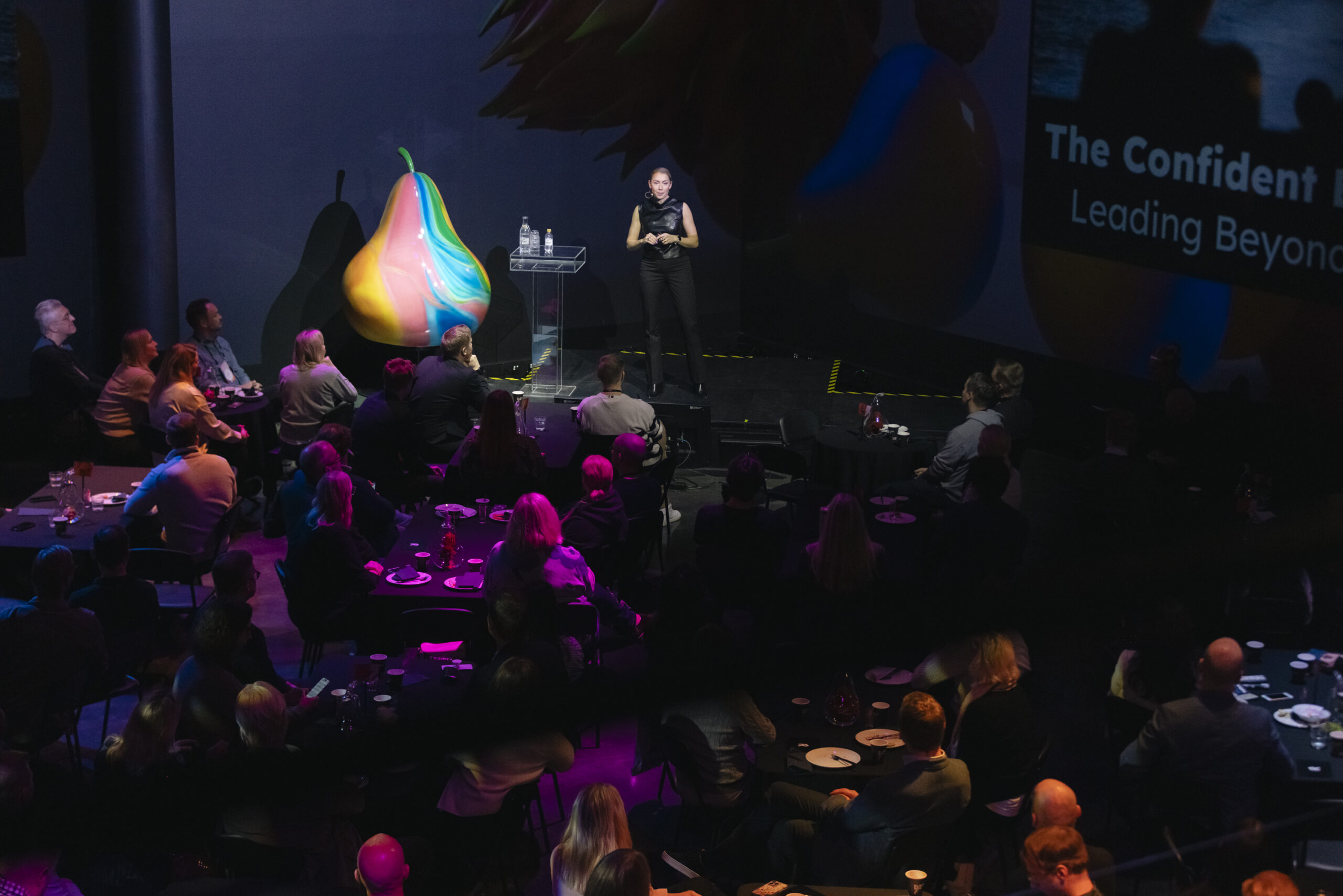
Confidence over certainty
Because not knowing is uncomfortable, it is just natural to attempt to remove uncertainty. To seek certainty. We are tempted to focus on what we know and what we can plan for, which is why we so tightly grasp onto our desired outcomes instead of what can actually happen.
Seeking certainty is a poor and impossible strategy. The future is permanently uncertain. Chasing certainty means you will always be late to react and the opportunities slip through your fingers. Uncertainty can never be eliminated. The search for certainty is just the pursuit of an illusion of control. Stop it.
Instead, shift your mindset and take actions to become comfortable with uncertainty. Moving away from the quest for certainty and walking toward confidence is a far more sustainable and future-proof approach. Confidence means knowing your capabilities, continuously practicing and developing them, and maintaining a deep curiosity about the future.

Three points for confidence to start with
Effective uncertainty responses require resilience and agility. They are comprehensive, layered capabilities, and to make it simpler to start the confidence journey, I picked three practices for leaders to build confidence in the organization.
1. Build the courageous decision engine
Decisions are the foundation of action, and only through action can competitive advantage be strengthened. Creating a functional decision-making system is critical. An organization must be able to make decisions quickly, repeatedly, and continuously, even when the outcome is not certain.
This isn’t solely about the leader’s ability to decide, but the effectiveness of the overall decision-making system. Start by asking: Are decisions being made? How? And how can your decision-making improve over time?
Hierarchies aren’t inherently bad, but they can become obstacles. Dependency on a few individuals is also “poisonous,” as it slows progress, prevents others from learning and taking agency. It easily leads to delays and inactions, such as endless analysis rounds or pushing things to the “next quartile.”
If you fail to keep making decisions, someone else will decide for you. They can be customers who take their business elsewhere, innovative employees who lose trust in the company’s future or competitors who actually succeed launching the new product first. Don’t let that happen.

2. Build for options, not obstacles
The ability to change direction is a strategic asset. If systems, skills or operating models become obstacles, or if the company lacks the ability to experiment with different opportunities, strategic options will narrow. It is difficult to be confident if you don’t develop your capabilities accordingly.
Build, explore and learn proactively. Don’t just develop to secure your current business, but to deliver value. The business you do now might not be the best or the only way to deliver value in the future.
For example, the debate over whether AI is “just a hype” often misses the point. Critical thinking is extremely important. That includes exploring and building understanding about what the foundational elements are to make it successful and sustainable. Instead of playing a foolish gamble, put effort in creating options through learning and foundational work.
Breakthroughs are seldom the result of a sudden epiphany. They come from relentless exploration and iteration. If you wait for AI innovations to simply come to you, you just risk creating obstacles in the form of technical and learning debt.

3. Practice confidence together
We are used to the idea of “to know is to lead.” For a long time, the best experts became leaders. Now, sole superiority is outdated. Confidence requires active collaboration. Leaders have a great responsibility to show that together the pursuit of certainty can be transformed into actionable confidence.
The best thing any role model can do is show that it is far more important to keep an open mind when the things we know today might not hold true tomorrow. And that it is absolutely okay, but it demands we become more active, more curious, and more engaged.
So, the next time someone asks you, your team, or a colleague, “Are you sure?” at the point of decision-making, respond clearly: “No, but we are confident.”

About the Author
Riikka Uimonen
Investment Director, Reaktor