Article
AI without context is like a GPS without a map

Kira Sjöberg
GOODIN

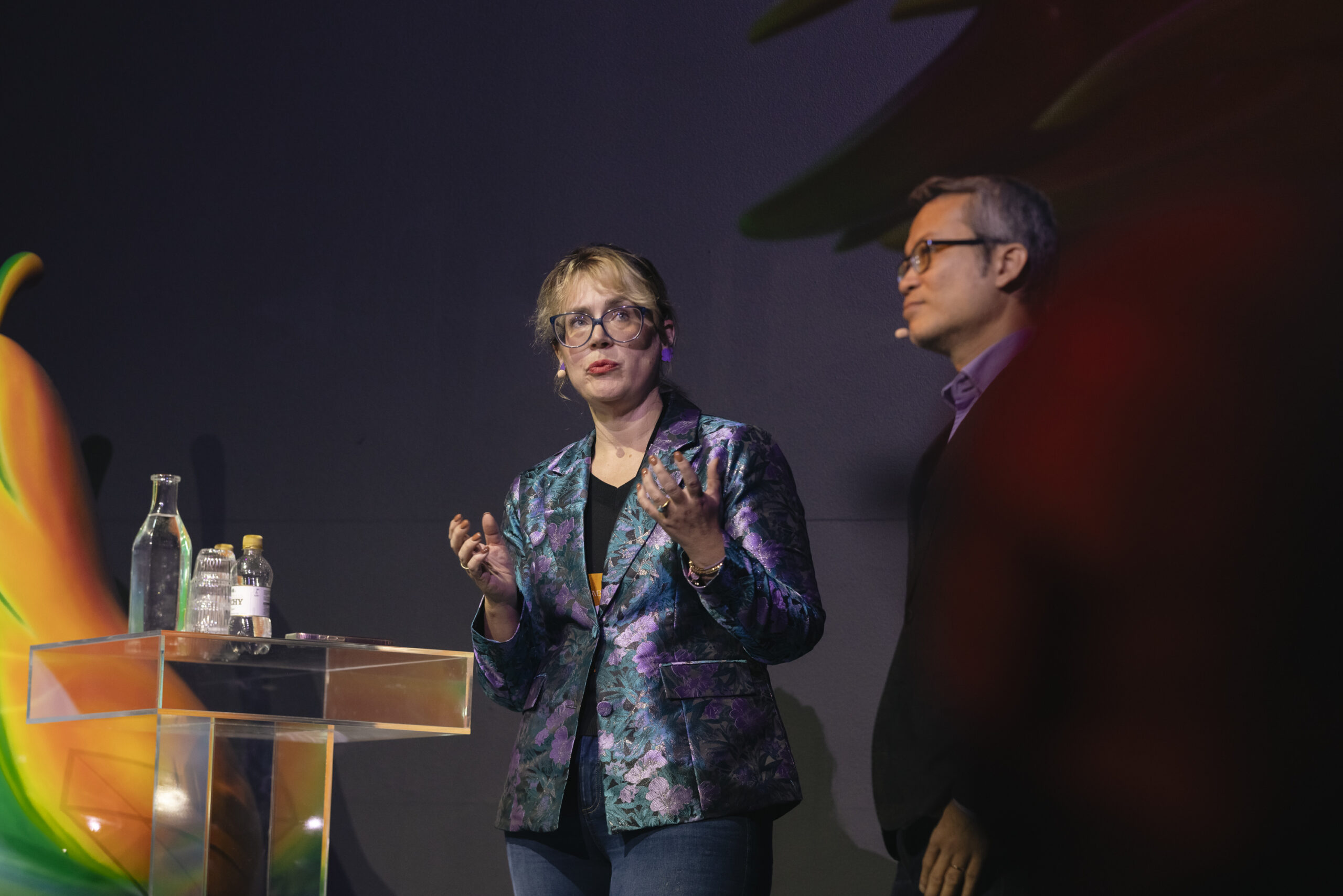
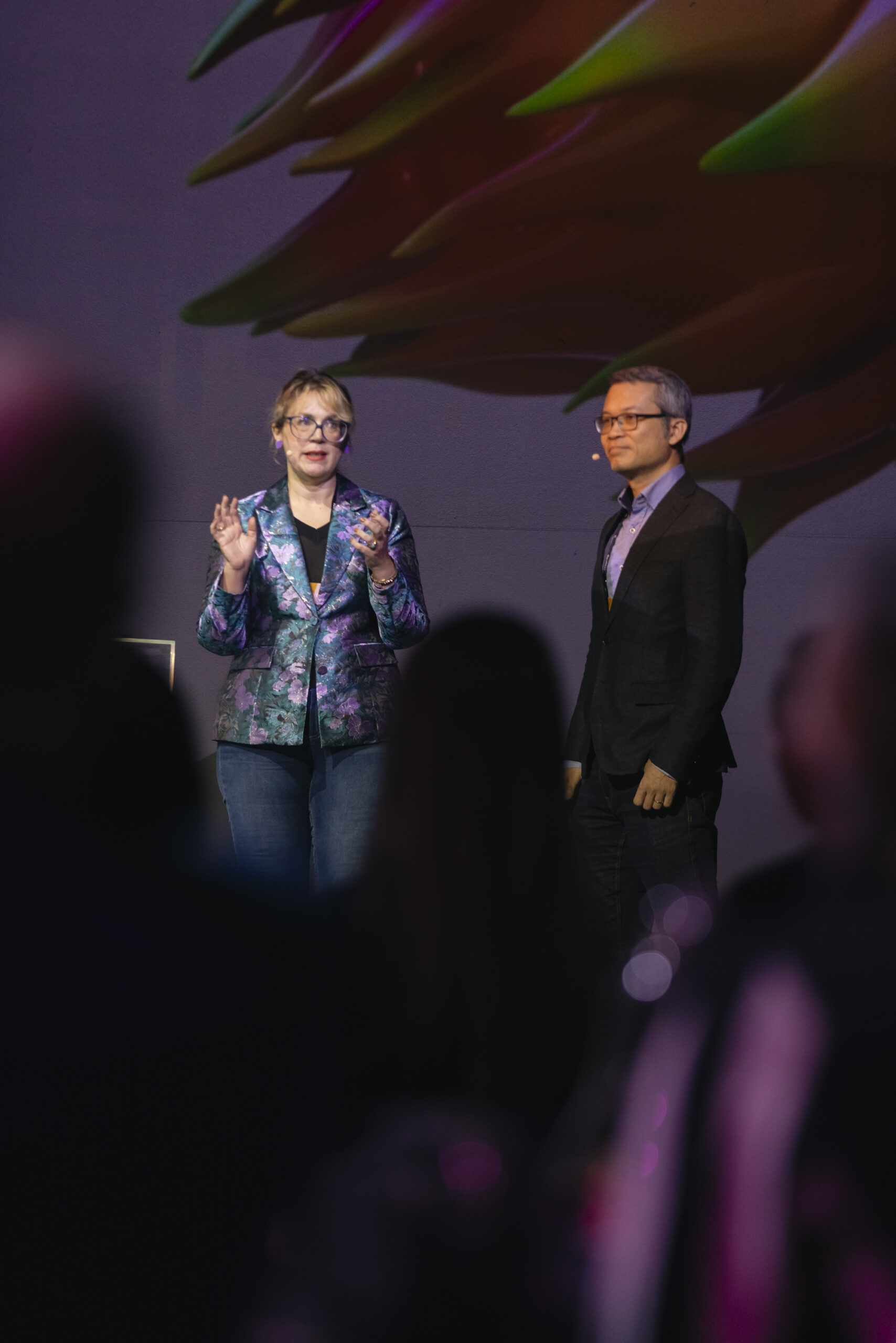
That was the core message that GOODIN’s Phuoc Tran Minh and Kira Sjöberg brought to Reaktor Ecosystem’s Harvest Conference, where they explored what organisations truly need to succeed with (Gen)AI.
Why so many AI projects fail
MIT reports that 95% of AI initiatives fail to deliver ROI six months after their pilot. There’s room to debate what is measured and how, but if we take that figure as roughly accurate, the key question becomes: why?
At GOODIN, we believe it’s because context and literacy are missing. Too often, AI initiatives focus on tools, data, or technology – not on the human and organisational understanding that determines whether those tools actually make sense in context.

What 2,000 professionals have taught us
By the end of 2025, GOODIN will have trained nearly 2,000 professionals in data and AI literacy across different industries. One of our most striking findings from these courses is simple, but profound: Every single participant has produced a unique practical case using GenAI tools.
Not one has been identical. Naturally, there are recurring themes – communication, efficiency, reporting – but no direct overlaps.
That tells us something powerful: GenAI is an extension of us, unique individuals with diverse context and deep-rooted domain expertise, with so much potential for unexpected innovation.
The missing link - context as the organising principle
Every successful AI initiative we’ve seen shares one common trait: a clear, evolving understanding of context. Not just technical or data context, but human context. That means the questions like who the users are, how decisions are made, what constraints exist are at the core.
The implied knowledge shape the work and this needs to be understood in the practical concrete work related to this. When AI is developed without this understanding, it becomes detached from reality. That’s why learning, co-creation, and fast iteration are not “soft” factors, but indeed critical infrastructure. They allow context to be built, tested, and transferred between humans and AI transforming unknowns into knowns.

Why AI adoption must start bottom-up
If every use case is unique, then AI adoption can’t be forced top-down. It must grow bottom-up, starting from the people who actually do the work.
Leaders rarely see the “devil hiding in the details” – their role is to lead, not to live in the operational weeds. But the doers do live in it and will be the best inventors of innovative AI use cases once their AI literacy is enabled. Why? As they are the only ones who can provide the contextual understanding AI needs to perform reliably. When those insights are surfaced and connected across an organisation, the results may actually work.

The Rumsfeld matrix of AI learning
To describe this, we use the Rumsfeld Matrix – a simple way to frame what we know, what we think we know, and what we still need to discover:
- Known knowns: Practical, jargon-free, low-threshold training works.
- Known unknowns: (Gen)AI’s impact depends on context and expertise. When domain experts can judge accuracy, magic happens. Without that, hallucinations blur the line between truth and error – and domain-specific innovation stays locked away.
- Unknown knowns: Expert bias can block learning and kill motivation.
- Unknown unknowns: We didn’t expect every project to be unique – now we know they are, and we have data to prove it.
This also means that organisations wanting to stay in the AI race must do more than scale AI use or build a “fail fast” culture. They need to nurture a “find the unicorn” mentality within their grassroots – encouraging curiosity, experimentation, and ownership. That, in turn, requires a modern organisational structure that supports learning, autonomy, and cross-functional collaboration.
The matrix reminds us that even our “knowns” evolve as people learn together.
The future of AI in organisations
The future of AI isn’t about copying best practices or chasing generic use cases. It’s about enabling people to create their own, grounded in their real work, context, and goals. That begins with a shared understanding of what we mean when we talk about AI, data, and value creation – not as buzzwords, but as part of everyday practice no matter the role.
The data already tells the story – now it’s time for leaders to start listening and co-creating with #dataempathy!

Thank you Reaktor Ecosystem for the #Harvest opportunity to share this perspective, and Qlik for providing the perfect demo tool to make our point tangible.
And most of all, thank you to the hundreds of professionals who’ve shown us that bottom-up adoption is the real driver of GenAI success.
In partnership with

About the Author
Kira Sjöberg
GOODIN