Article
AI - From hype to adoption

Peik Feiring
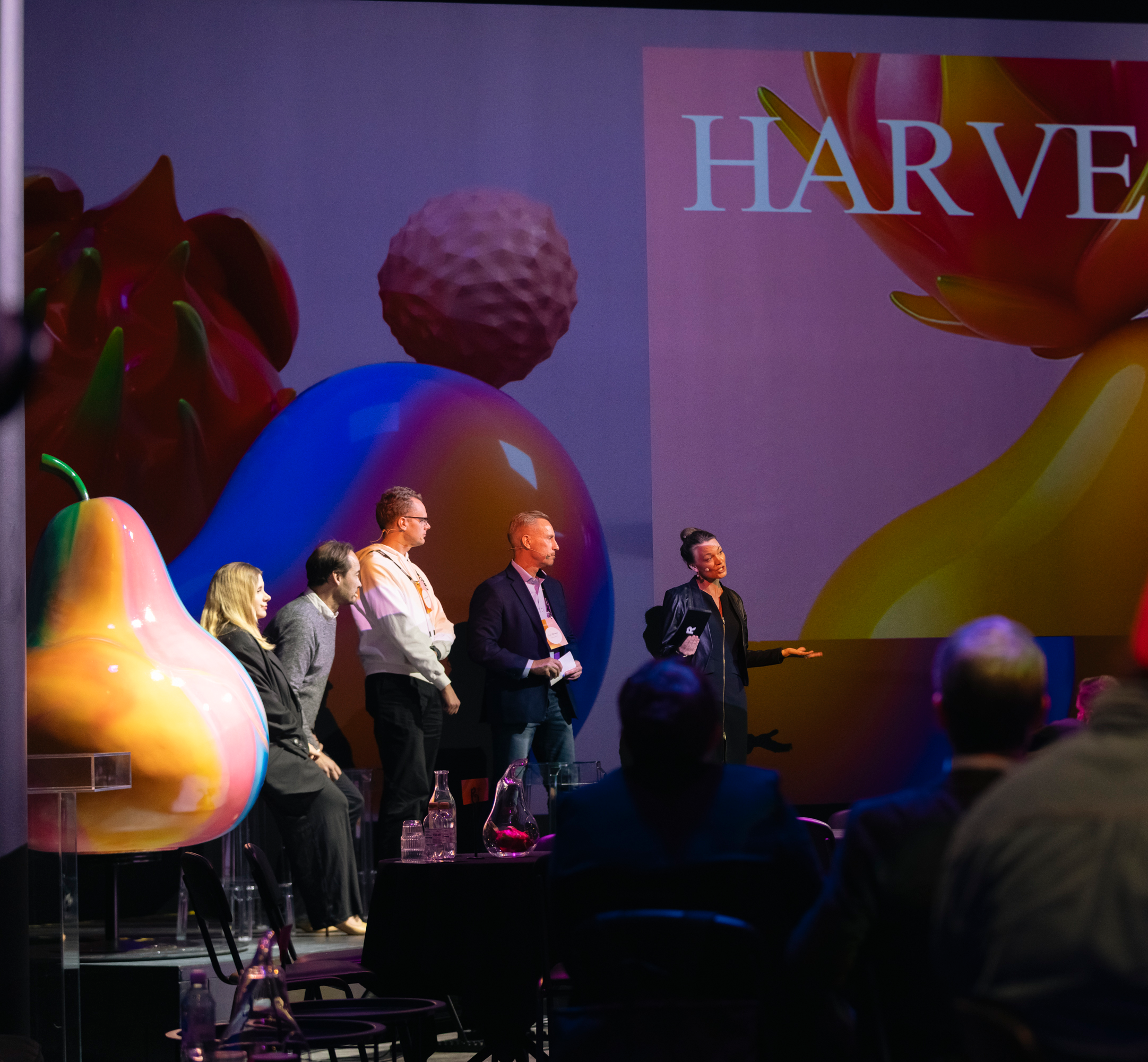
ChatGPT took the world by surprise a couple of years ago. Now that we’ve had time to learn, it feels like we’re getting much better at harnessing the power of unlimited text generation. At the Harvest event, I heard several stories about how companies have turned AI into real value instead of just hype. Here's what I learned and want to share with you.
Encourage bottom-up adoption
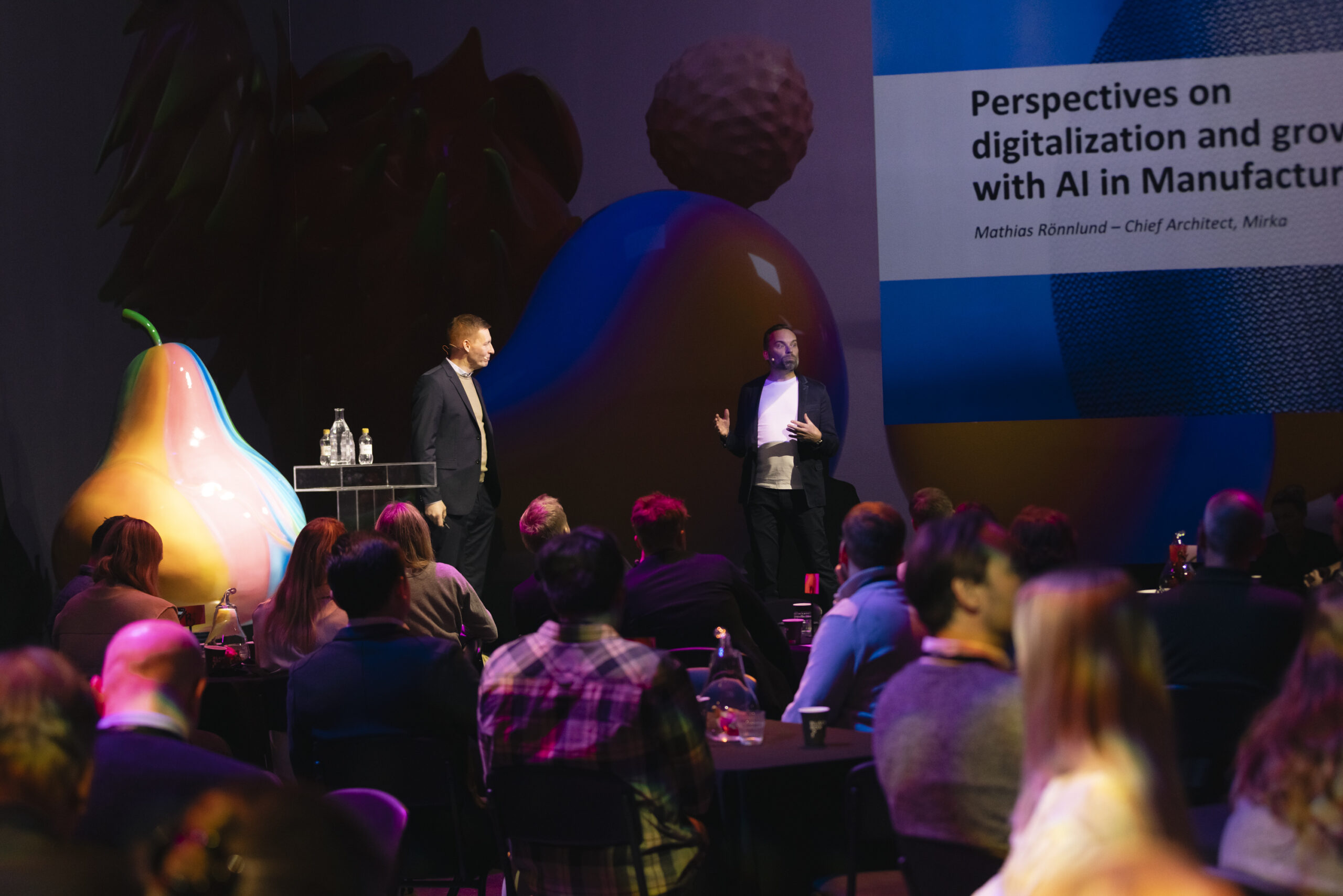
One of the key learnings was that companies should encourage people to try and experiment with different tools. Mathias Rönnlund, a chief architect from Mirka, shared their story on how they have found use for AI tools. Mirka encourages people to experiment with different tools and encourages learning at every level of the organization. One concrete example Rönnlund shared is that they have created a custom GPT to summarize EU regulations. If I had to read through long EU regulations, I would certainly be excited about this new tool.
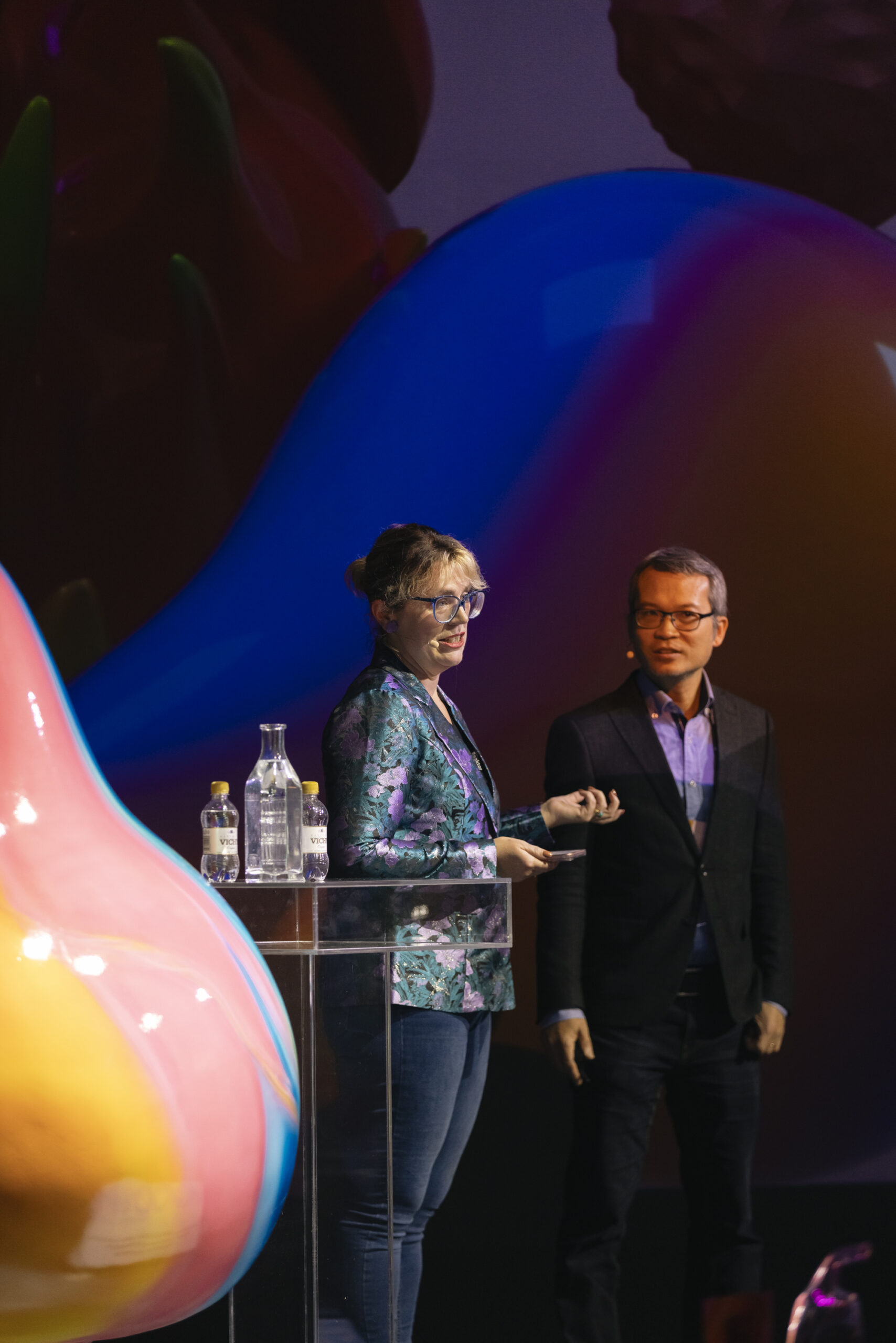
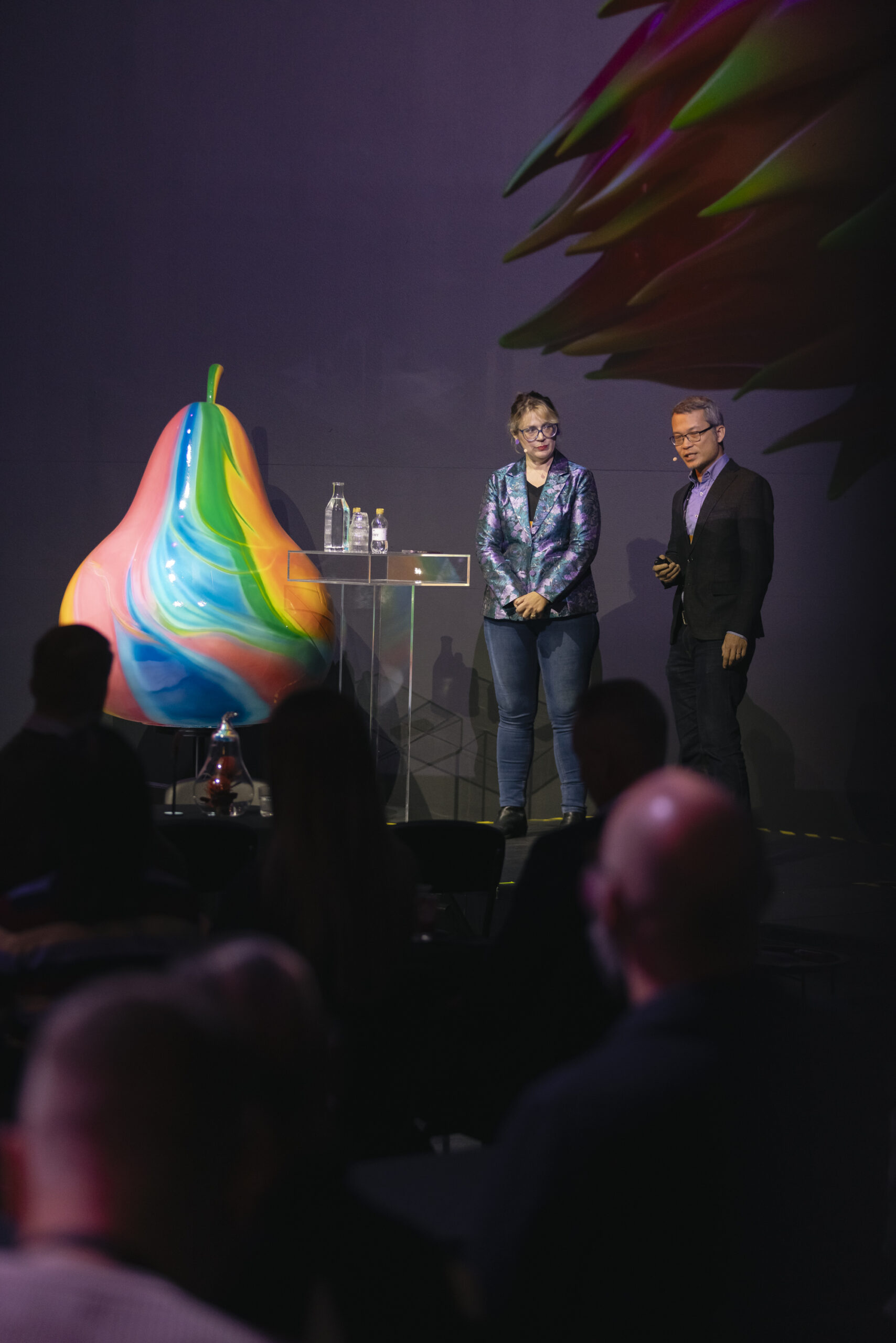
Another story about supporting bottom-up adoption was from a presentation given by Goodin’s Phuoc Tran Minh and Kira Sjöberg. Goodin has trained thousands of people on AI and data literacy. One of the key findings of their work was that as people and their circumstances are unique, they should also be in the driver’s seat when looking into how they can use AI to boost productivity. They also emphasized that in order to get people into experimenting with AI it is important to avoid overly technical language, as that might scare people off. Support people and their natural curiosity to learn and good things will follow.
The other side of AI
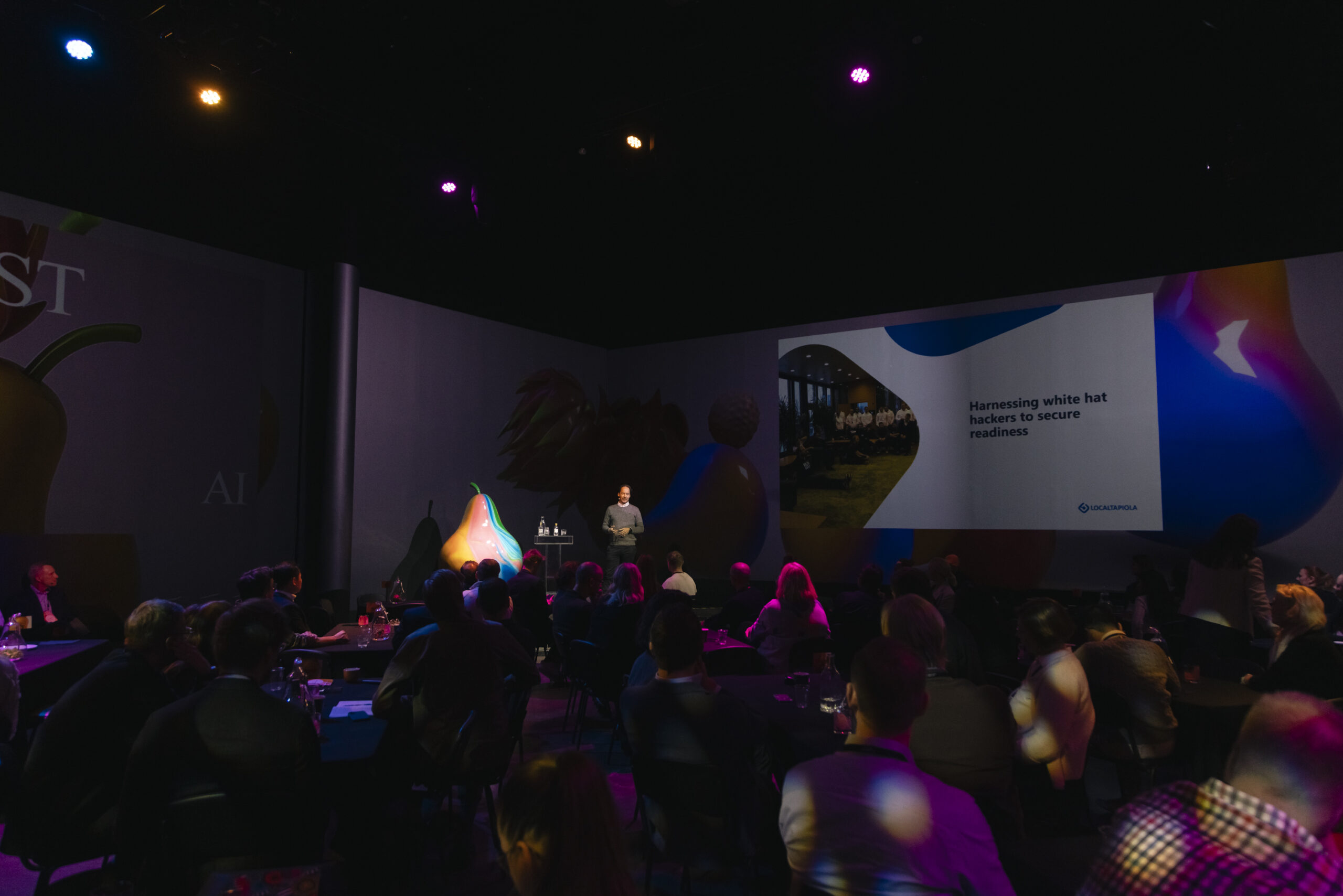
Of course, the rise of AI has also brought some negative things. Lähitapiola’s Markus Forsström shared a story about how the company was once a forerunner in running public bug bounty programs, but has now shut them down, partly because of AI-generated noise. It is now common for companies running bug bounties that they receive large volumes of AI-written bug reports that look polished but offer little real value. Reviewing them takes time and effort, yet they rarely uncover any actual vulnerabilities. In that sense, “better crap is worse”: low-quality content is becoming harder to filter out.
“Better Crap is worse crap” – Markus Forsström
To vibe or not to vibe
As a software development professional, I have had my fair share of skepticism over the vibe-coding platforms and thus it was very interesting to hear Locoda’s Terho Antila share how Microsoft’s power platform can be used together with AI. After the talk, my current stance on the vibe coding mostly stands: it is good for small and easy things, it is even better if you understand tech enough to be able to hold the AI’s hand in the implementation, but it is still quite limited on what AI can do on problems it has not faced before and which are more complex. The advantage the power platform might have here is that Microsoft can provide integrations with its popular apps and that makes it much more powerful than just another code generating agent.

I had not previously seen many examples about non-programmers using vibe coding tools, but funnily enough, the weekend after Harvest I participated in a birthday party where the host had vibe-coded a derby day game (the one many amusement parks have) that was played as a fun group forming activity. The mechanics were a bit different than traditionally, but I was really happy to see that the threshold for creating digital products has been lowered. If you have never tried vibe coding before, I suggest you do it. I will definitely try some of the most prominent tools to learn more.
About the Author
Peik Feiring